Classic Bow Embroidery Design Review
As a professional embroidery designer who has spent years translating digital files into tangible brand assets, I approach every new machine embroidery design with a critical eye. The market is flooded with decorative patterns that look great in a preview but fail under the pressure of commercial production. Today, I am reviewing the Classic Bow Embroidery Design, a file marketed within the Beauty and Embroidery categories. My goal is to determine if this specific embroidery file holds up as a serious asset for small business merch, branded patches, and custom apparel, or if it remains merely a decorative novelty.
First Impressions: Elegance Meets Functionality
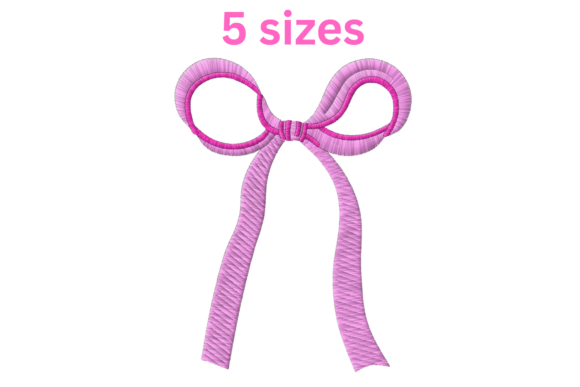
Upon opening the digital embroidery file, the first thing that strikes me is the description's promise of "smooth ribbon curves and balanced shape." In the world of commercial embroidery, balance is not just an aesthetic choice; it is a structural necessity. The Classic Bow Embroidery Design immediately presents itself as a timeless piece. It avoids the overly trendy, jagged edges that date quickly, opting instead for a soft, elegant silhouette that suggests quality.
For a boutique owner or a handmade product creator, this visual personality is crucial. Unlike bold, aggressive logos, this design feels friendly and approachable. It carries a premium feel without being ostentatious. When I visualize this on a finished product, it evokes a sense of care and attention to detail. This makes it an excellent candidate for brands that want to communicate warmth and sophistication simultaneously. Whether for a florist, a high-end bakery, or a creative studio, the Classic Bow Embroidery Design offers a versatile foundation that can anchor a brand identity effectively.
Real-World Applications for Small Business Merch
The true test of any commercial embroidery asset lies in its versatility across different mediums. Let’s explore how this design performs in actual business scenarios.
Branded Patches and Uniform Accents
One of the most effective uses for the Classic Bow Embroidery Design is as an embroidered patch. Its clean lines make it ideal for creating detachable badges that can be sewn onto denim jackets, tote bags, or staff aprons. For a café or a boutique, placing this bow on the chest pocket of a uniform shirt adds a subtle touch of branding that doesn't overwhelm the wearer. It serves as a perfect accent for apron embroidery, elevating a standard work garment into a cohesive part of the shop's visual language.
Cap Embroidery and Headwear
Headwear is a challenging canvas due to curved surfaces and limited space. However, the balanced shape of this bow translates well to cap embroidery. Because the design is described as having a "clean, timeless look," it avoids the clutter that often plagues small cap logos. It works beautifully as a center-front logo or even as a side-sleeve detail on baseball caps. This application is particularly strong for event merch or customer gifts where a recognizable, yet understated mark is preferred over large text.
Tote Bags and Product Packaging
In the realm of tote bag design, the Classic Bow Embroidery Design shines. A simple cotton tote becomes a premium giveaway when accented with a satin-stitched bow. Similarly, for handmade product packaging, such as wrapping fabric for soaps or candles, this design acts as a seal of quality. It transforms a generic item into a branded experience, increasing perceived value and encouraging social media sharing by customers.
Critical Considerations for Production
While the potential is high, a professional designer knows that execution is everything. There are specific areas where the Classic Bow Embroidery Design requires careful handling to ensure the final result matches the digital preview.
Stitch Density and Fabric Texture
Bows often rely on smooth fills to mimic ribbon. If the stitch density is too high, the fabric may pucker, especially on lightweight materials like silk or thin cotton. Conversely, if the density is too low, the design may look threadbare. I strongly advise testing this file on the actual fabric texture you intend to use before running a full batch. Textured fabrics like fleece or heavy canvas might require a different stabilizer strategy than smooth poplin to maintain those "smooth ribbon curves."
Size Limitations and Detail Retention
Do not underestimate the importance of scale. While the design looks beautiful at a standard size, shrinking it down for tiny patches or small cap fronts can cause issues. The intricate details of the ribbon folds might blur together if the hoop size forces the design to be too small. Always check the minimum recommended size in the file documentation. If you plan to use this for small business merch items like keychains or very small labels, verify that the curves remain distinct and do not become muddy.
Thread Color Contrast
The elegance of this design depends heavily on color choice. On dark uniforms, a black-on-black bow will disappear unless you utilize tonal stitching techniques carefully. For maximum impact, consider using metallic threads or high-contrast thread colors to make the bow pop. Remember that what looks vibrant on a screen may appear dull on certain fabrics, so always create a physical swatch.
Impact on Brand Identity and Customer Trust
Choosing the right design assets is about more than just decoration; it is about building trust. The Classic Bow Embroidery Design contributes significantly to a brand's perception of professionalism. When a customer receives a gift or wears merchandise featuring a cleanly executed, elegant bow, they associate that quality with your business.
This design supports visual consistency across various platforms. From the printable mockup used in your online store to the physical finished product held in a customer's hand, the consistent use of this motif reinforces brand recognition. It signals that your business pays attention to the little things. In the competitive landscape of Etsy sellers and local crafters, these details differentiate a hobby from a professional enterprise.
Designer Checklist Before Production
Before you commit to mass-producing items with the Classic Bow Embroidery Design, follow this practical checklist to ensure success:
- Test in Black and White First: Run a sample using a single thread color to check the stitch path and structure before adding complex color changes.
- Verify Hoop Size Compatibility: Ensure your machine hoops can accommodate the design dimensions without distorting the shape.
- Select the Right Stabilizer: Use a cutaway stabilizer for stretchy fabrics and tear-away for wovens to prevent puckering.
- Create a Mockup for Approval: If working with clients, present a realistic printable mockup showing the design on the intended garment.
- Check Commercial Licensing: Confirm that the license terms allow for commercial embroidery and resale of finished goods. Never assume a file is free for business use.
- Inspect Spacing: If combining this bow with text or other logos, ensure there is adequate spacing to avoid thread collisions.
In conclusion, the Classic Bow Embroidery Design is a robust tool for small business owners looking to elevate their custom apparel and branded goods. Its timeless appeal and balanced structure make it a reliable choice for everything from staff uniforms to luxury tote bags. By respecting the technical requirements of embroidery production, you can turn this digital file into a powerful symbol of your brand's quality and elegance.