Nautical Anchor Embroidery Design Review
As a seasoned embroidery designer who has spent countless weekends setting up booths at craft fairs and managing a busy handmade shop, I know that the difference between a design that gathers dust and one that flies off the table often comes down to execution and visual impact. Today, I am putting the Nautical Anchor Embroidery Design through its paces. Before I commit to producing a batch of finished goods for an upcoming market, I need to evaluate if this digital asset will translate into a profitable craft fair product. The goal is simple: create high-quality items that catch the eye, withstand customer scrutiny, and justify the price point in a competitive handmade marketplace.
First Impressions: A Timeless Coastal Icon
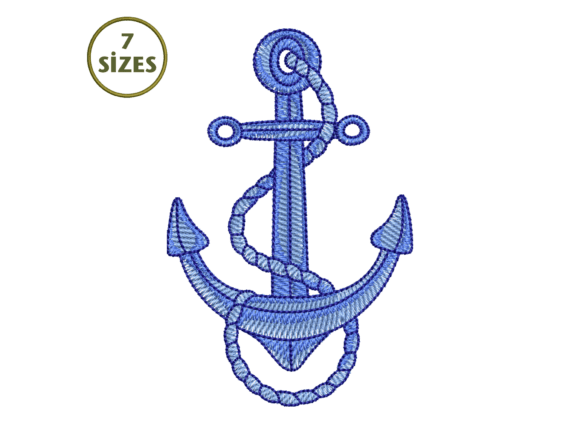
When I first load the Nautical Anchor Embroidery Design into my software, the immediate impression is one of classic coastal charm. It does not feel overly trendy or fleeting; instead, it carries a timeless quality that appeals to a broad demographic. For those selling Beach themed goods, this motif is a staple. It strikes a balance between bold enough to be seen from across a crowded aisle and detailed enough to show off the craftsmanship of a professional machine embroidery design.
The aesthetic leans towards a modern-rustic vibe, making it versatile for both nautical enthusiasts and those who simply appreciate clean, decorative lines. It feels premium without being overly ornate, which is crucial when you are trying to elevate a simple handmade product like a tote bag or a tea towel. In a sea of generic prints, a well-executed anchor stitch stands out as a mark of quality.
Product Performance Across Your Booth Display
To determine the true value of this embroidery file, I visualize how it performs on specific items I plan to feature at my booth. The versatility of the Nautical Anchor Embroidery Design allows it to function effectively on various substrates, but some pairings yield better results than others.
- Tote Bags: This is arguably the strongest application. A large-scale version of the anchor on a canvas tote bag design creates a statement piece. Customers love practical items with personality, and the sturdy fabric holds the thread tension beautifully.
- Kitchen Textiles: For apron embroidery and tea towel embroidery, the anchor works exceptionally well. Placing the design near the hem of an apron or centered on a linen tea towel adds a touch of whimsy to functional kitchenware. These are excellent impulse buys at craft markets.
- Caps and Patches: If you plan to sell embroidered patch products or caps, the design needs to be scaled carefully. On a curved cap surface, the anchor maintains its shape well, provided the stabilizer is correct. As a patch, it can be sewn onto denim jackets or backpacks, expanding your market reach.
- Pillow Covers and Pouches: Smaller items like fabric pouches benefit from a slightly smaller scale of the design. For pillow covers, the anchor serves as a perfect focal point, especially when paired with neutral fabrics that let the thread colors pop.
Selling Power and Visual Appeal
In the context of a physical booth, visibility is currency. The Nautical Anchor Embroidery Design excels because it is instantly recognizable. When a customer walks by, they do not have to squint to understand what the design is. This clarity is vital for engagement. Furthermore, the texture created by the stitches adds a tactile element that photographs well for online listings on platforms like Etsy. High-resolution photos of the thread sheen against the fabric texture can significantly increase conversion rates for Etsy seller accounts.
For the small shop product owner, consistency is key. This design offers a cohesive look that can be repeated across different product lines, helping to build brand recognition. Whether it is a finished product like a market bag or a sample display item, the anchor motif ties the collection together. It signals to the buyer that you specialize in curated, thematic decor rather than random assortments.
Photography and Online Presence
Before heading to the fair, I always prepare printable mockup assets for social media. The clean lines of this digital embroidery file render beautifully in digital formats. When creating listings, ensure the lighting highlights the dimensionality of the stitches. A flat photo misses the opportunity to show the raised texture that makes commercial embroidery so appealing. Use close-ups to show the neatness of the satin stitches and the precision of the fill areas.
Practical Production Notes for Makers
While the design looks promising, successful production requires attention to technical details. Here is my professional assessment on how to handle this machine embroidery design for maximum efficiency and quality.
Stitch Density and Fabric Choice: Be mindful of dense stitch areas. If the anchor features heavy fill patterns, test it on scrap fabric first. Dense stitching can cause puckering, especially on lightweight materials like quilting cotton or thin tea towels. You may need to adjust the stitch density settings in your machine software to prevent the fabric from warping.
Hooping and Stabilization: The success of any embroidery project hinges on the hoop size and stabilizer. Ensure you have a hoop large enough to accommodate the design without distorting the edges. For textured fabrics like terry cloth towels or thick canvas, use a cutaway stabilizer to support the weight of the threads. On dark fabrics, consider using a water-soluble topping to prevent thread sinking into the weave, which can make the design look muddy.
Scaling Considerations: While the anchor is robust, avoid shrinking it too much. Tiny details, such as the rope wrapping around the shank, can become indistinguishable at very small sizes (under 2 inches). If you are making small accessories like keychains or hair clips, simplify the design or opt for a larger scale to maintain clarity. Conversely, ensure the design fits within the maximum hoop size of your machine to avoid re-hooping mid-stitch, which can lead to registration errors.
Important Digital Product Guidelines
Remember that the Nautical Anchor Embroidery Design is a digital asset. Digital embroidery files are delivered in ZIP or RAR format. This is a digital product, no physical item will be shipped. Instant download after purchase. No returns or refunds for digital products. As a maker, it is your responsibility to verify that the file formats included are compatible with your specific embroidery machine. Always unzip the files and inspect them before starting a full production run.
Furthermore, check the licensing terms regarding commercial use. If you intend to sell the finished product at a craft fair or online, ensure your license permits the sale of embroidered goods. Some licenses restrict the number of items you can sell or require attribution. Clarifying these details upfront protects your business and ensures you remain compliant while scaling your operations.
Final Verdict for the Creative Entrepreneur
The Nautical Anchor Embroidery Design is a solid addition to any design assets library for makers focused on coastal themes. Its ability to work across multiple product types—from tote bag design to apron embroidery—makes it a cost-effective choice for diversifying your inventory. By paying attention to thread contrast, stabilizer selection, and fabric texture, you can transform this digital file into a high-value handmade product that resonates with buyers.
For the weekend craft fair, I recommend focusing on medium-to-large scale applications where the detail can shine. Pair the anchor with natural fibers like linen or organic cotton to enhance the rustic appeal. With careful production and strategic display, this design has the potential to become a bestseller, driving traffic to your booth and encouraging repeat customers who appreciate the quality of your commercial embroidery work.