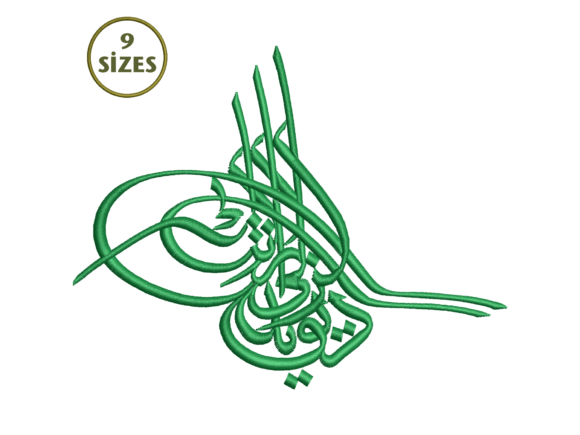
Ottoman Tughra Embroidery: A Designer Review
As an embroidery designer who has spent years navigating the complexities of digital patterns and physical thread, I approach every new machine embroidery design with a critical eye. The market is flooded with generic motifs, but occasionally, a design arrives that offers genuine cultural depth and artistic flair. Recently, I downloaded the Ottoman Tughra Embroidery from Creative Fabrica to evaluate its potential for my upcoming line of custom apparel and handmade gifts. This review explores how this specific embroidery file performs in real-world scenarios, helping fellow designers, Etsy sellers, and small business owners decide if it belongs in their digital library.
First Impressions: Visual Mood and Detail
The moment I opened the preview for the Ottoman Tughra Embroidery, I was struck by its intricate elegance. The Tughra, historically a calligraphic monogram or seal of an Ottoman Sultan, carries a weight of history and sophistication that translates beautifully into thread. Unlike modern geometric patterns that rely on bold blocks of color, this design features sweeping curves and fine lines that demand precision. The visual mood is regal yet intimate, making it an excellent candidate for high-end custom apparel or bespoke home decor items.
From a technical standpoint, the design appears to balance delicate details with substantial coverage. While the description notes that this is a digital embroidery file delivered as a ZIP or RAR archive, the immediate impression suggests a complex interplay of stitch types. For those familiar with the Religion category of designs, you know that spiritual or historical symbols often require a respectful approach to stitching. The Ottoman Tughra Embroidery manages to maintain the sanctity of the original calligraphy while adapting it for modern machine execution.
Performance in Real-World Projects
When considering where to apply this Creative Fabrica embroidery asset, the possibilities are vast but require strategic planning. I immediately envisioned using it on heavy-weight fabrics like canvas tote bags or thick cotton sweatshirts. The density of the Tughra likely lends itself well to sweatshirt embroidery, where the fabric can support the tension without puckering. However, the fine details suggest that placing it on stretchy knit fabrics might be risky without significant stabilization.
For boutique merchandise, this design could elevate a simple tote bag design into a statement piece. Imagine a natural linen tote featuring the Ottoman Tughra Embroidery in deep indigo or gold thread; the contrast would create a stunning visual appeal. Similarly, for handmade product creators focusing on nursery decor, a smaller version of this motif on a pillow cover could add a unique, exotic touch to a child's room, provided the scale is adjusted correctly.
I also considered its use in creating embroidered patch products. Patches allow for more creative freedom regarding backing and stabilizer, which is crucial for dense designs. If the stitch count is high, converting this into a patch for jackets or denim vests would ensure the longevity of the design, as patches can be removed or replaced if the fabric wears out.
Practical Considerations for Execution
Before committing to a customer order, any professional must address the practicalities of the Ottoman Tughra Embroidery. The most critical factor here is the hoop size. Given the flowing nature of calligraphy, the design may require a larger hoop than standard floral motifs. I strongly advise checking the specific dimensions listed on the product page before purchasing, as attempting to fit a wide Tughra into a 4x4 inch hoop could result in distorted proportions.
Stitch density is another area requiring attention. Calligraphic designs often rely on running stitch for outlines and fill stitch for body. If the density is too high, the thread may bunch up, especially on textured fabrics like denim or wool. Conversely, if it is too sparse, the underlying fabric might show through, ruining the aesthetic. To mitigate this, always run a test on scrap fabric first. This step is non-negotiable when working with intricate design assets.
Thread selection plays a pivotal role in the final outcome. On dark fabric, the Ottoman Tughra Embroidery will shine if paired with metallics or bright contrasting colors. However, on light fabrics, subtle variations in thread colors can enhance the depth of the calligraphy. I recommend reviewing both light and dark fabric mockups to visualize how the design interacts with different backgrounds. Additionally, using a proper stabilizer is essential. A tear-away stabilizer might suffice for stable wovens, but a cut-away stabilizer is likely necessary for knits or items that will undergo frequent washing.
Impact on Product Value and Branding
Incorporating the Ottoman Tughra Embroidery into your portfolio can significantly boost the perceived value of your finished product. Customers looking for unique, culturally rich items are often willing to pay a premium for designs that tell a story. This particular motif adds a layer of exclusivity that mass-produced prints cannot replicate. For Etsy sellers and craft fair vendors, offering items with such distinct character helps differentiate your shop from competitors selling generic embroidery.
Furthermore, the quality of the commercial embroidery directly influences buyer trust. A well-executed Tughra demonstrates attention to detail and craftsmanship. When customers see the precision of the curves and the neatness of the stitches, they associate that quality with your entire brand. This is particularly important for personalized gift orders, where the recipient expects a flawless presentation.
For those creating printable mockup collections or digital product lines, having access to high-quality images of the Ottoman Tughra Embroidery stitched on various materials can enhance your marketing materials. It allows you to showcase the versatility of the design across different mediums, from kitchen towels to caps.
Licensing and Digital Delivery
It is vital to remember that the Ottoman Tughra Embroidery is a digital product. As stated in the product description, "Dijital nakış dosyaları ZIP veya RAR formatında teslim edilir. Bu dijital bir ürün, fiziksel bir ürün gönderilmeyecektir." This means you receive an instant download after purchase, allowing you to start working immediately. However, there are no returns for digital goods, so verifying compatibility with your machine is your responsibility.
Always confirm the file details and licensing terms on the Creative Fabrica product page before selling finished items. While many designs allow for commercial use, some may have restrictions on the number of items sold or require attribution. Understanding these terms protects your business and ensures you remain compliant with the creator's policies.
Final Verdict for Designers
The Ottoman Tughra Embroidery is a compelling addition to any serious embroidery designer's toolkit. Its blend of historical significance and artistic complexity makes it ideal for creating standout pieces in the Embroidery and Religion categories. Whether you are decorating a cap, sewing an apron, or crafting a seasonal handmade gift, this design offers a unique opportunity to elevate your work.
However, success depends on preparation. Test your stitch density, choose the right stabilizer, and respect the intricacies of the pattern. If you are ready to invest time in perfecting your technique, the Ottoman Tughra Embroidery can become a signature element in your collection, driving engagement and sales for your handmade business.