Tulip Flower Machine Embroidery Design Review
As a designer who spends countless hours evaluating machine embroidery design assets for both personal collections and client work, I approach every new file with a critical eye. The market is flooded with generic patterns, but finding a piece that truly elevates a handmade product requires looking beyond the preview image. Today, I am putting the Tulip Flower Machine Embroidery Design to the test. This single flower motif promises to bring the beauty of spring to your projects, but does it hold up under the scrutiny of real-world stitching? Let's dive into how this clean and modern floral asset performs when moved from the screen to the hoop.
First Impressions: A Clean Spring Aesthetic
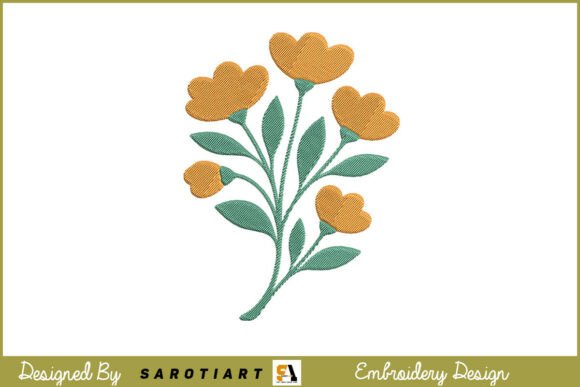
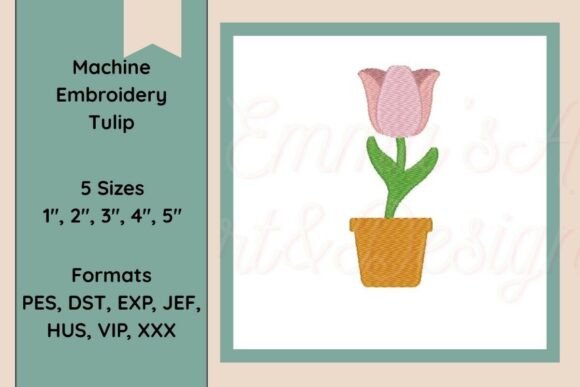
When I first opened the digital preview of this embroidery file, the immediate mood was one of refined simplicity. Unlike many floral designs that suffer from over-complication or cluttered details, this tulip stands out for its elegant lines and balanced proportions. It fits perfectly within the Single Flowers category, offering a focal point that doesn't overwhelm the surrounding fabric. The visual personality feels contemporary yet timeless, making it versatile enough for a rustic farmhouse apron or a sleek boutique tote bag.
The layout suggests a thoughtful use of stitch types. While the exact technical breakdown isn't always visible in a static mockup, the silhouette hints at a harmonious blend of satin stitch for the petals and perhaps a subtle fill stitch for the leaves. This combination is crucial for creating depth without adding unnecessary bulk. For an Etsy seller or small shop owner, this kind of clarity translates directly to a professional-looking finished product. Customers can instantly recognize the flower, which builds trust in the quality of your brand.
Real-World Application: From Concept to Creation
To truly understand the value of this design, I visualized a specific project: a custom embroidered tote bag for a local gardening club's spring fundraiser. Tote bags are a staple for craft businesses because they offer a large canvas, but they also demand durability. In this scenario, the Tulip Flower Machine Embroidery Design would serve as the centerpiece on the front panel.
Imagine placing this design on a sturdy, natural cotton canvas. The clean lines of the tulip would pop against the textured background, especially if paired with vibrant thread colors like coral pink or sunny yellow. Because the design is not overly dense, it would likely stitch quickly, allowing for higher production volumes during busy seasons. This efficiency is a game-changer for commercial embroidery where time equals money. Whether you are creating a batch of personalized gifts for a wedding or stocking shelves with seasonal merchandise, the speed and reliability of the stitch path matter immensely.
I also considered using this motif on custom apparel, specifically a heavyweight sweatshirt. Floral designs on dark fabrics can sometimes look muddy if the stitch density is too low, leaving gaps in the coverage. However, the robust outline of this tulip suggests it could handle a backing layer well. If you were to add a small satin border or a contrasting leaf accent, the result would be a high-value item that justifies a premium price point. This versatility makes it a strong contender for any craft business looking to expand their spring catalog.
Navigating Fabric Challenges and Technical Nuances
While the potential is high, every experienced embroiderer knows that context is king. There are specific situations where even a great design needs careful handling. If you plan to use the Tulip Flower Machine Embroidery Design on stretchy fabrics like jersey knit for baby clothes, you must be cautious. The tension of the stitches combined with the fabric's elasticity can cause puckering. In these cases, using a cutaway stabilizer becomes non-negotiable to maintain the integrity of the shape.
Similarly, working with thin fabrics like silk or linen requires a lighter touch. If the design has heavy fill areas, it might distort the delicate weave. Always check the hoop size requirements before committing to a project. If the design is intended for a larger hoop but you need it for a cap or a small patch, you may find that scaling it down compromises the detail. Tiny lettering or intricate corners often disappear when reduced, turning a crisp flower into a blurry blob.
For those creating embroidered patches, the density of this design is a key factor. Patches require a very dense stitch count to prevent fraying once cut out. If this tulip relies heavily on running stitches for definition, it might not hold up well as a standalone patch unless reinforced with a mesh backing. Always review the stitch map to ensure the density matches your intended application.
Strategic Advice for Designers and Makers
Before integrating the Tulip Flower Machine Embroidery Design into your workflow, there are several practical steps you should take. First, never skip the test run. Stitch the design on a scrap piece of the exact fabric you intend to use. This allows you to see how the thread interacts with the material and whether the colors shift under the light. A design that looks perfect on white cotton might behave differently on a heather grey sweatshirt.
Secondly, consider the color palette carefully. Since this is a single flower design, it relies on contrast to make an impact. Test it in black and white mockups to evaluate the balance of light and dark areas. Ensure that the running stitch outlines are thick enough to define the shape against the background. If you are selling digital products or printable mockups, showing the design in various colorways can significantly increase buyer engagement.
Licensing is another critical component. As a professional, I always verify the terms of use for any digital embroidery file. Does the license allow you to sell the finished items? Can you include the design in a kit? Understanding these boundaries protects your business and ensures you remain compliant with the creator's rights. For small shop owners, clarity here prevents costly legal issues down the road.
Final Verdict: A Versatile Asset for Seasonal Projects
After analyzing the Tulip Flower Machine Embroidery Design through the lens of practical application, it stands out as a reliable and aesthetically pleasing asset. Its clean, modern style makes it an excellent choice for seasonal crafting, particularly for spring collections. Whether you are decorating nursery decor, creating holiday gifts, or producing branded merchandise for a boutique, this design offers the flexibility needed to adapt to various mediums.
It excels in projects where clarity and elegance are paramount, such as tea towels, pillow covers, and personalized apparel. However, success depends on proper execution—selecting the right stabilizer, testing on scrap fabric, and respecting the limitations of different materials. For the creative entrepreneur looking to add a touch of nature-inspired charm to their portfolio, this tulip is a solid addition to your library of design assets.
In the end, a great embroidery design is more than just a pretty picture; it is a tool that enhances the value of your work. By approaching the Tulip Flower Machine Embroidery Design with preparation and attention to detail, you can create handmade products that not only look beautiful but also stand the test of time. Happy stitching!