Valentine Embroidery Design Heartbeat Review
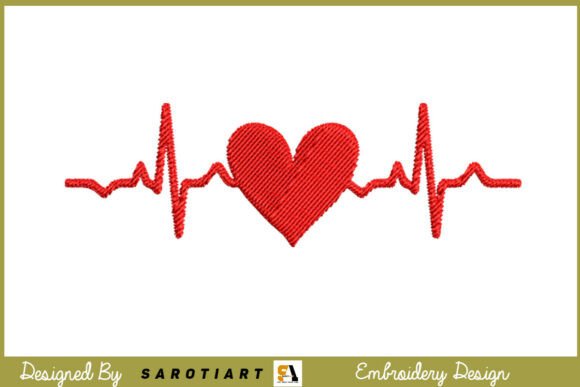
As a designer who has spent years curating machine embroidery design assets for both personal projects and client work, I approach every new file with a critical eye. The market is flooded with generic patterns, so finding a piece that balances artistic merit with technical reliability is rare. When I first opened the Valentine Embroidery Design Heartbeat, my immediate reaction was one of cautious optimism. The concept—a line art interpretation of hands holding a heartbeat—suggests a modern, minimalist aesthetic that fits well within current trends for Valentine's Day decor and apparel. However, the real test lies not in how the digital preview looks on a screen, but in how it translates to physical thread on fabric.
First Impressions: Mood and Visual Personality
The visual personality of this embroidery project is distinctively clean and emotive. Unlike traditional heart designs that rely heavily on dense fill stitches or overly complex shading, this design utilizes the elegance of line work. This choice immediately signals a sophisticated vibe, making it suitable for audiences who prefer understated romance over cliché imagery. The layout feels balanced, ensuring that the negative space between the lines of the hands and the pulse line creates a sense of rhythm rather than clutter.
For an Etsy seller or a small shop owner looking to refresh their catalog, this type of design offers a significant advantage. It feels contemporary. When I visualize this as a tote bag design or on a high-quality cotton canvas, the simplicity allows the texture of the fabric to shine through. It does not scream "holiday decoration"; instead, it whispers "thoughtful gift." This subtlety is crucial for creating products that customers might wear or use year-round, extending the commercial life of your inventory beyond just February 14th.
Real-World Application: From Digital File to Finished Product
To truly evaluate the Valentine Embroidery Design Heartbeat, I mentally walked through a specific production scenario: preparing a batch of custom embroidered sweatshirts for a boutique client. In this context, the placement is key. I imagine positioning the design on the left chest area of a heather grey crewneck. The line art style suggests that a single color of thread, perhaps a soft coral or a deep burgundy, would yield a striking result without overwhelming the garment.
When considering sweatshirt embroidery, stitch density becomes a major factor. Heavy fills can make the fabric pucker or feel stiff, which is a common complaint with lower-quality files. Because this design relies on line art, it likely utilizes a combination of running stitch and satin stitch techniques. This approach generally results in a lighter hand-feel, which is essential for comfortable custom apparel. If you are planning to sell these as premium items, the comfort of the finished product directly correlates to customer trust and repeat business.
I also considered using this as an embroidered patch for denim jackets or backpacks. The clear outlines of the hands and the heartbeat line should hold up well when stabilized and cut out. For handmade product creators, this versatility is a goldmine. One digital embroidery file can serve multiple product lines, from baby clothes to adult accessories, maximizing the return on investment for your design assets.
Technical Considerations for Professional Results
While the aesthetic appeal is strong, practical execution requires attention to detail. Here are the critical factors I would address before committing to a full production run:
- Fabric Texture and Type: While the description mentions kids' clothing and t-shirts, always remember that textured fabrics like fleece or slub cotton can distort fine line work. The delicate nature of the heartbeat line might get lost on highly textured surfaces. A smooth jersey or a tightly woven canvas is preferable for maintaining clarity.
- Stabilizer Selection: Do not skimp on the stabilizer. Even though the design appears light, the curve of the hands and the sharp peaks of the heartbeat require a solid foundation to prevent puckering. For stretchy fabrics like those used in baby embroidery, a tear-away or cut-away stabilizer depending on the garment weight is non-negotiable.
- Thread Color Contrast: The success of line art depends entirely on contrast. Test the design in black and white mockups first. If you plan to use this on dark fabric, ensure your thread colors pop. A white or neon thread against a black hoodie could create a bold statement, whereas a similar tone might render the design invisible.
- Hoop Size Verification: Before stitching, confirm the required hoop size. If the design is too large for a standard 5x7 hoop, you may need to reposition the fabric mid-stitch, which risks misalignment. Always check the dimensions provided in the embroidery file metadata.
Where to Exercise Caution
Not every design works everywhere, and honesty about limitations is part of professional craftsmanship. There are specific scenarios where the Valentine Embroidery Design Heartbeat might struggle if not handled correctly.
Avoid using this design on extremely thin or sheer fabrics without heavy backing; the tension from the machine could cause the fabric to rip or warp around the intricate curves of the hands. Similarly, while the design is described as suitable for various occasions, placing it on curved surfaces like caps requires careful mapping. The flat nature of the line art might distort if the cap's curvature isn't accounted for during digitizing or hooping.
Furthermore, be wary of dense stitch areas if you decide to scale the design down significantly. Tiny lettering or minute details often disappear when shrunk, turning into a muddy blob of thread. If you intend to use this as a small accent on a pocket or a cuff, inspect the smallest elements in your software to ensure they remain legible after scaling.
Business Value and Brand Consistency
For creative entrepreneurs, the value of a design extends beyond its look; it impacts brand consistency and buyer engagement. The Valentine Embroidery Design Heartbeat offers a cohesive look that can tie together a collection of holiday gifts or small shop merchandise. Its clean lines align well with modern branding aesthetics, helping to elevate the perceived value of your handmade items.
When listing these items online, the clarity of the design aids in creating compelling printable mockups. Customers can easily visualize the final result, which increases conversion rates. However, always remember to verify licensing terms. Whether you are selling the finished item or offering the digital product itself, understanding the commercial rights is essential to protect your business. Ensure you have the right to sell items made with this file and whether you can resell the file itself.
Final Designer Verdict
In conclusion, the Valentine Embroidery Design Heartbeat stands out as a versatile and stylish option for those seeking a modern take on Valentine's themes. It moves away from the saturated market of cheesy hearts and offers a refined alternative that appeals to a broader demographic. Whether you are a hobbyist looking to create a unique personalized gift or a professional decorator building a craft business, this design holds significant potential.
My recommendation is to proceed with confidence, but always start with a test run on scrap fabric. Check the stitch density, verify the thread colors, and ensure your stabilizer is adequate. By taking these practical steps, you can ensure that the transition from digital file to finished product is seamless. With proper execution, this design can become a staple in your portfolio, delivering high-quality, emotionally resonant pieces that customers will love.